

Which hybrid truck is better for towing and daily driving around Glen Burnie, MD — 2026 Toyota Tundra or 2026 Ford F-150?
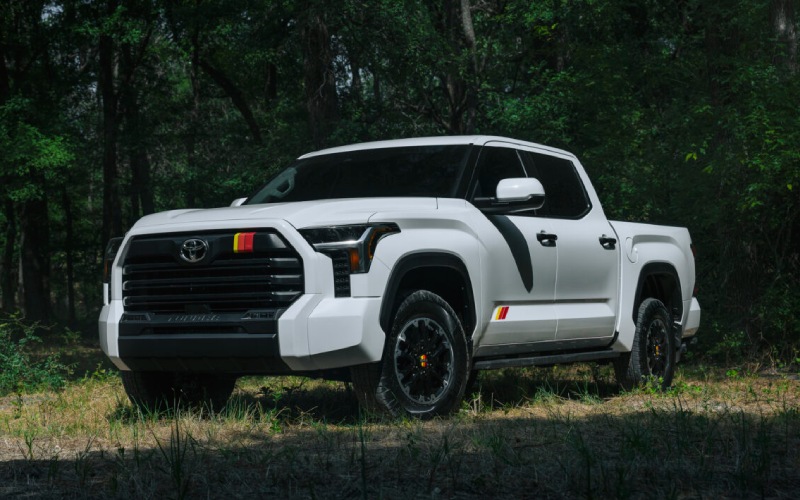
Jones Toyota - Which hybrid truck is better for towing and daily driving around Glen Burnie, MD — 2026 Toyota Tundra or 2026 Ford F-150?
When comparing hybrid full-size pickups for real-world towing and commuting, a common question is whether Toyota’s i-FORCE MAX or Ford’s PowerBoost hybrid makes the better all-around choice near Glen Burnie, MD. Both systems blend turbocharged V6 power with electric assistance to boost torque, smooth out shifts, and support brisk acceleration when you’re merging with a trailer. The difference is how the entire truck is engineered to put that hybrid muscle to work day after day.
Tundra’s available i-FORCE MAX pairs massive low-end torque with a 10-speed automatic and a standard multi-link rear suspension featuring coil springs across the lineup. That suspension choice matters more than most spec sheets admit: it helps keep the rear axle planted over broken pavement, reduces hobby-horse motion with light loads, and maintains stable manners with a heavy trailer. Add Toyota’s Trailer Backup Guide with Straight Path Assist, the available Panoramic View Monitor, and a power vertical rear window on CrewMax for unbeatable visibility and airflow, and you have a hybrid truck that feels confident and calm when conditions get tricky. Ford’s F-150 with the 3.5L PowerBoost® Full Hybrid V6 is also strong, with well-known tech like BlueCruise hands-free driving and Pro Power Onboard™ for on-site power. However, if you routinely tow, Tundra’s blend of control, visibility, and torque-rich response offers a uniquely reassuring experience.
To help shoppers focus on what truly improves towing and daily drivability, here’s how to evaluate both hybrid options through the lens of capability, control, and convenience:
- Power delivery: Look for immediate torque at low rpm, consistent pull on grades, and smooth, decisive shifts under load.
- Ride and stability: Assess suspension behavior over bumps, how the rear settles with tongue weight, and steering calmness at highway speeds.
- Trailer tech: Prioritize camera coverage, trailer guidance overlays, integrated trailer brakes, and easy-to-read towing data.
- Everyday usability: Consider cabin ergonomics, screen size and menu logic, visibility, and simple access to hitching aids.
On these points, Tundra’s systems shine. The available 14-in. Toyota Audio Multimedia touchscreen presents clear, high-contrast trailering views and lets you keep crucial data in sight. The aluminum-reinforced composite bed resists dents and corrosion, making it ideal for gear that gets tossed in after a muddy launch or a dusty jobsite. With the TRD Off-Road Package or TRD Pro, FOX® shocks, underbody protection, and all-terrain tires add durability and control off the pavement—useful if your favorite campsite sits behind a few miles of rutted two-track.
Ford counters with the 360-Degree Camera, Ford Co-Pilot360 technology, and clever bed innovations. Drivers committed to remote worksites may enjoy the convenience of available onboard power. Yet for balanced towing, daily comfort, and long-haul composure, Tundra’s core hardware—especially its suspension and hybrid tuning—delivers a refined experience that encourages confidence with the boat, camper, or utility trailer in tow.
If you’re early in your research, use a simple test-drive plan that highlights how these hybrid trucks behave under everyday pressures:
- Hitching and visibility: Back to a simulated trailer, toggle camera views, and note how quickly you can align the ball and coupler.
- Urban ride quality: Drive over expansion joints and patched asphalt to gauge rear-end composure without a load.
- Highway stability: With cargo in the bed, cruise at speed, change lanes, and watch for steering corrections and body motion.
- Cabin workflow: Set navigation, pair your phone, and access tow settings—speed matters when you’re prepping for a trip.
These simple steps reveal the strengths that matter most when you tow on the weekend and commute during the week. Tundra’s hybrid system, ride tuning, and towing aids work in concert, so the truck feels easygoing on long drives and reassuring at the ramp. The F-150 hybrid is capable, but Toyota’s integration of suspension, software, and visibility tools often makes the daily difference.
When you’re ready to compare, Jones Toyota is serving Timonium, Westminster, and Glen Burnie with side-by-side evaluations and expert guidance tailored to your trailer, terrain, and routine. Bring your questions about hybrid towing, hitch equipment, and bed accessories, and we’ll help you assemble a setup that feels right from day one.
Frequently Asked Questions:
Can the Tundra i-FORCE MAX handle long highway grades with a camper?
Yes. Its electric motor assistance and 10-speed automatic help maintain steady speed and confident passing, while the multi-link rear suspension keeps the truck settled over uneven surfaces.
How does Tundra improve visibility when reversing with a trailer?
The available Panoramic View Monitor provides multiple camera angles, and Trailer Backup Guide with Straight Path Assist overlays guidance on the screen to help you keep the trailer in line with minimal steering input.
Request more 2026 Toyota Tundra information
Categories:
Toyota Tundra